
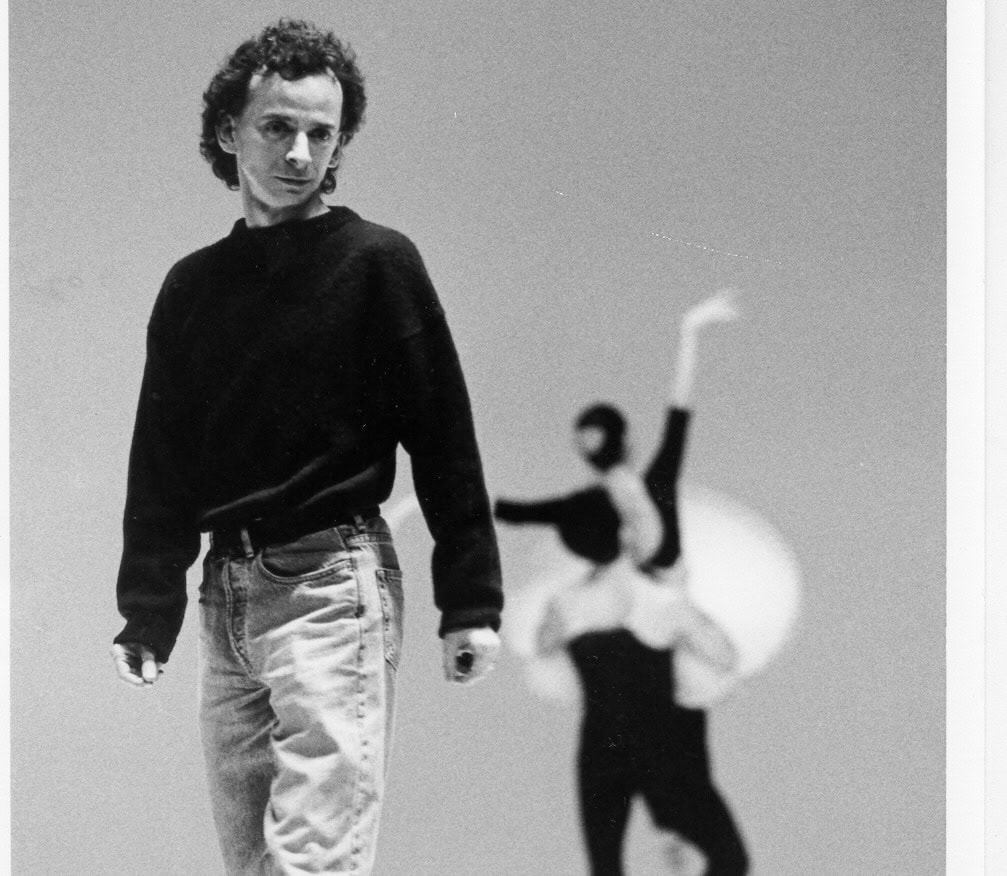
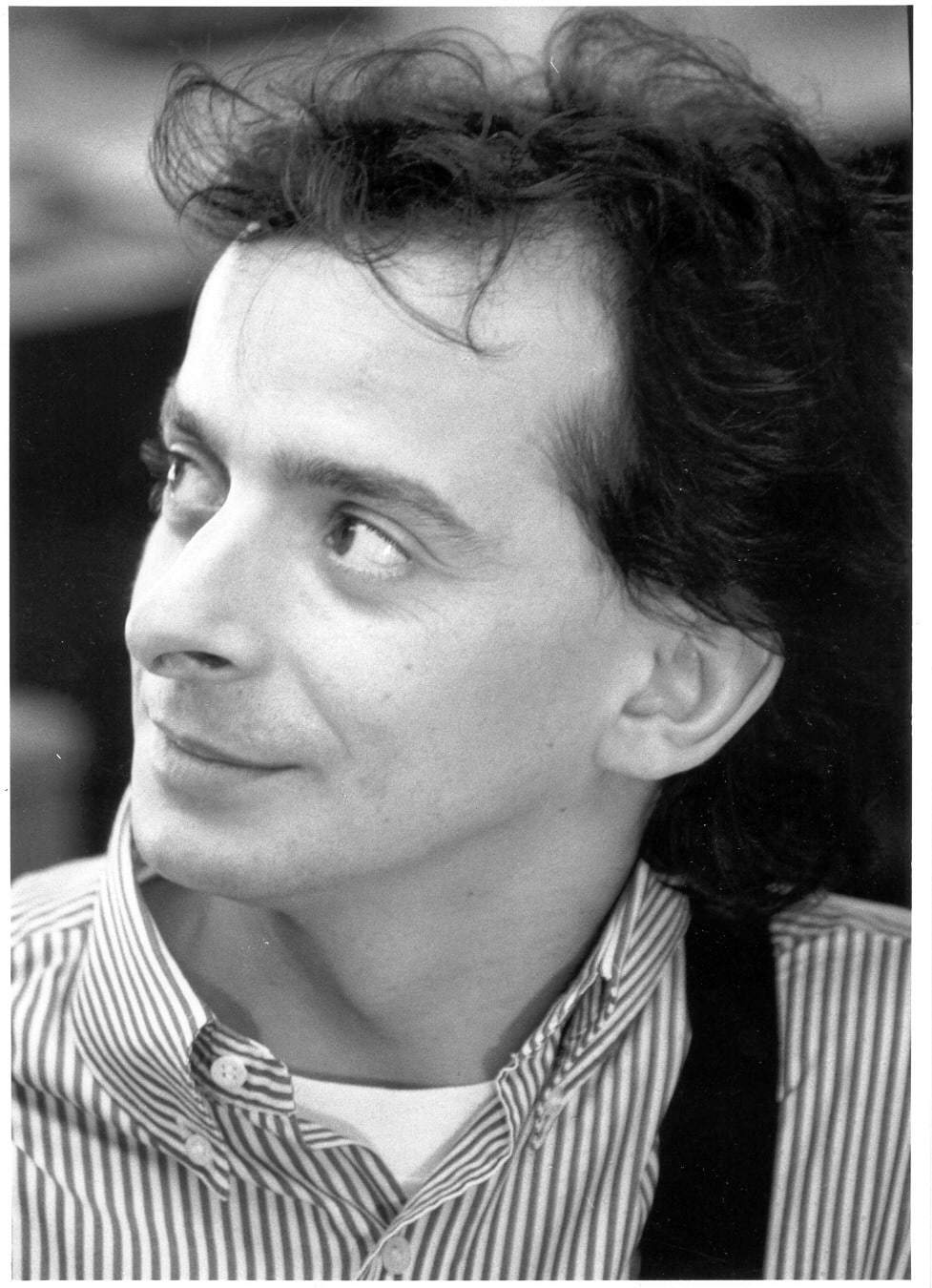
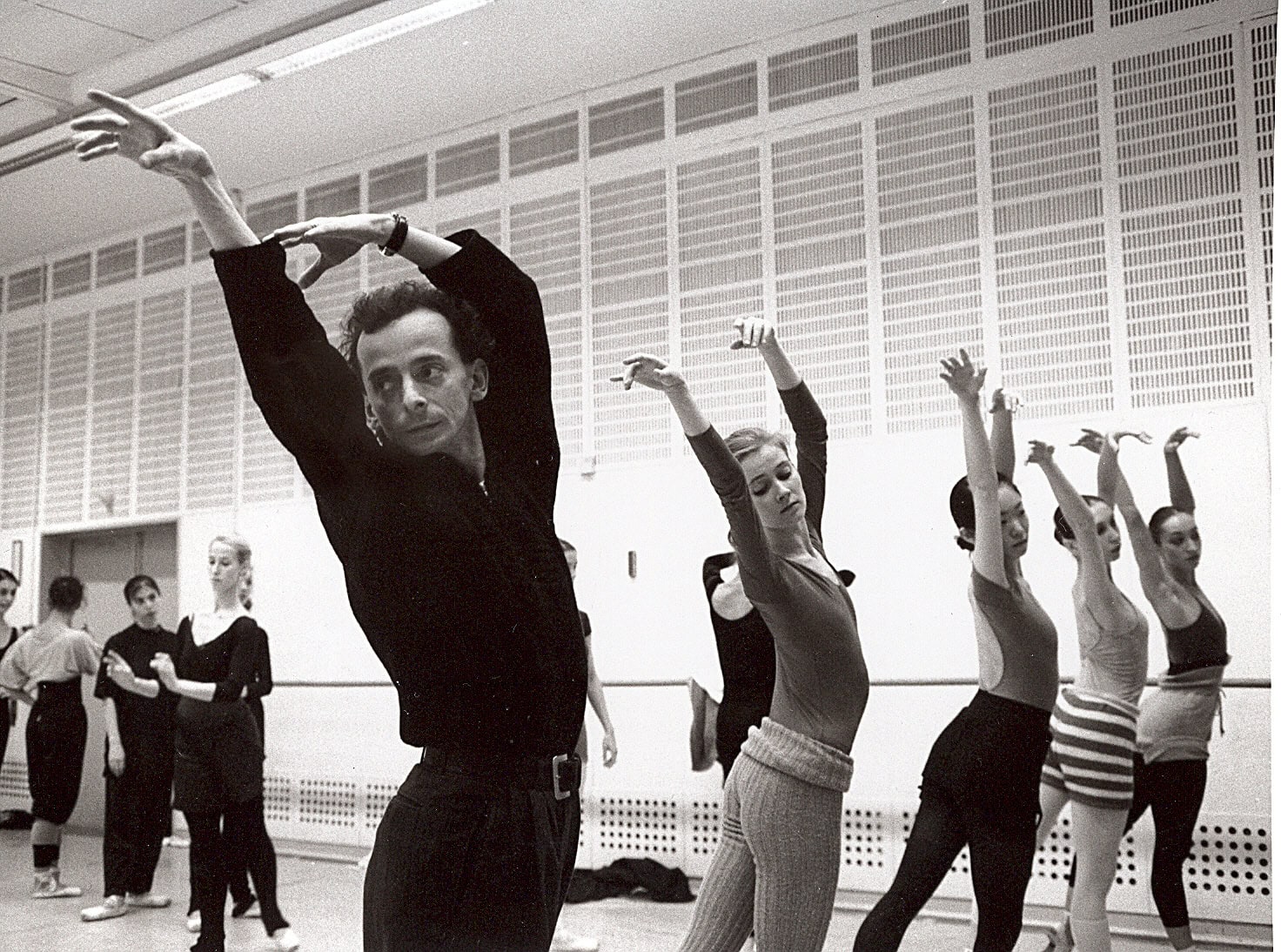
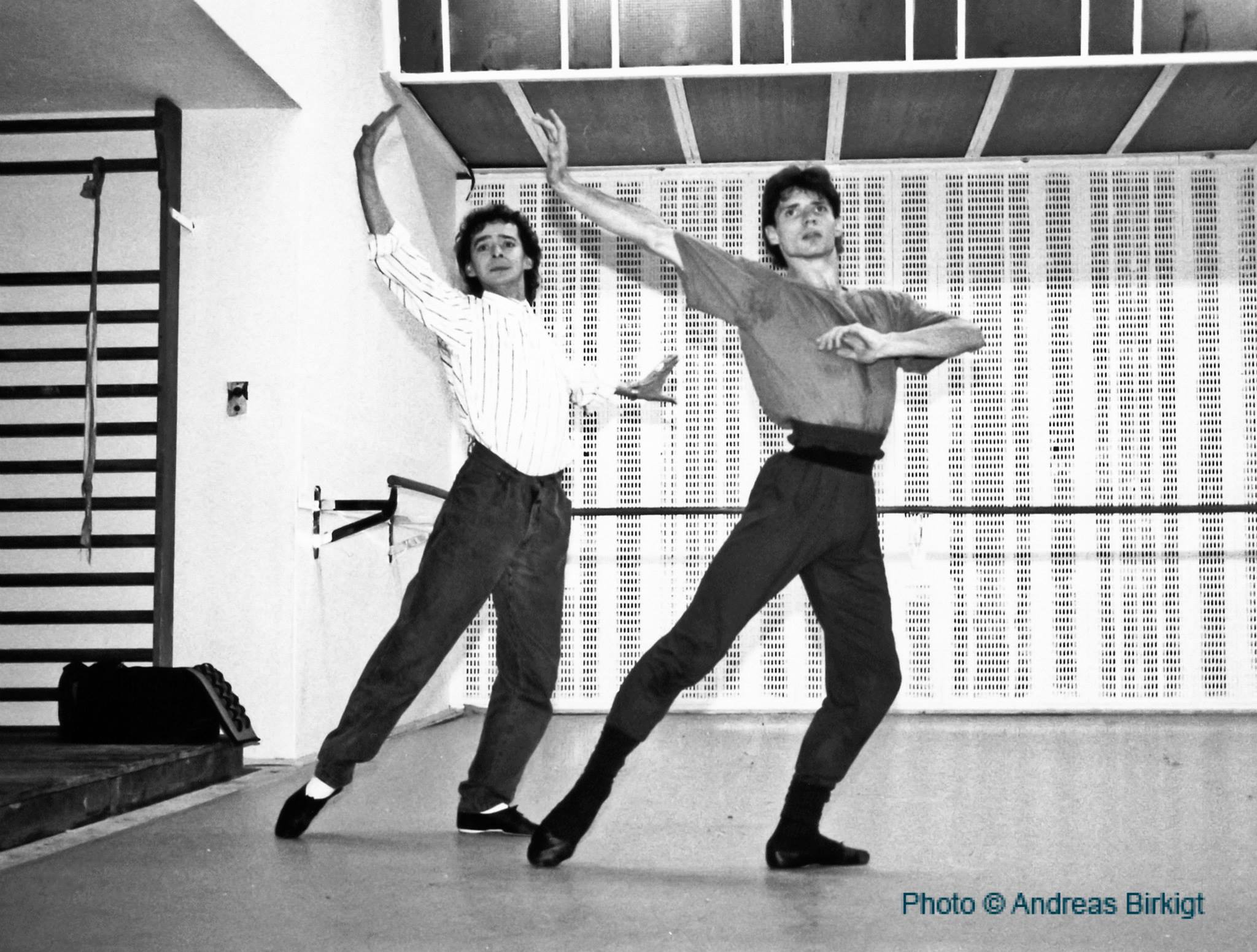
The choreographer Uwe Scholz
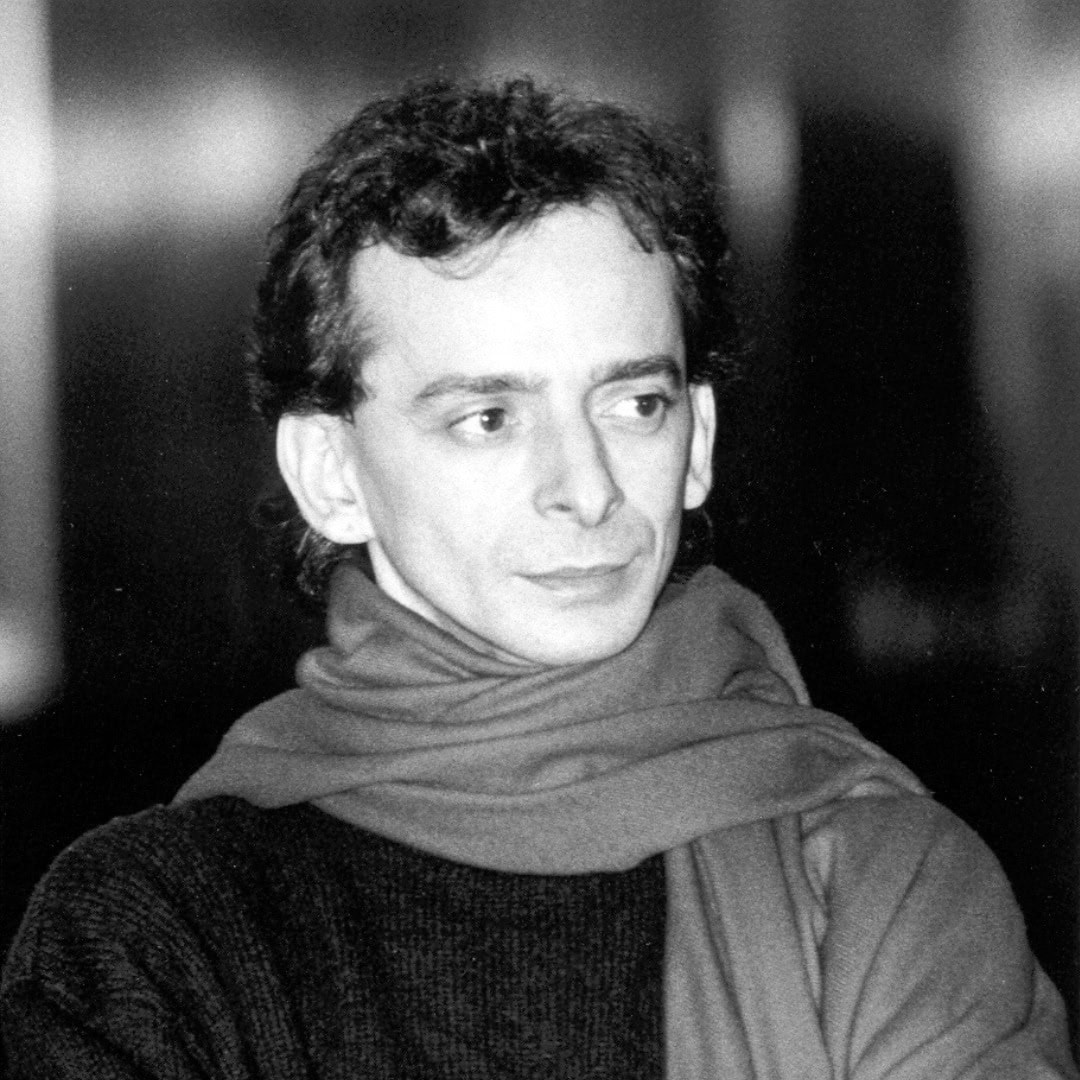
Uwe Scholz (1958–2004) is one of the most important German choreographers of the post-war period.
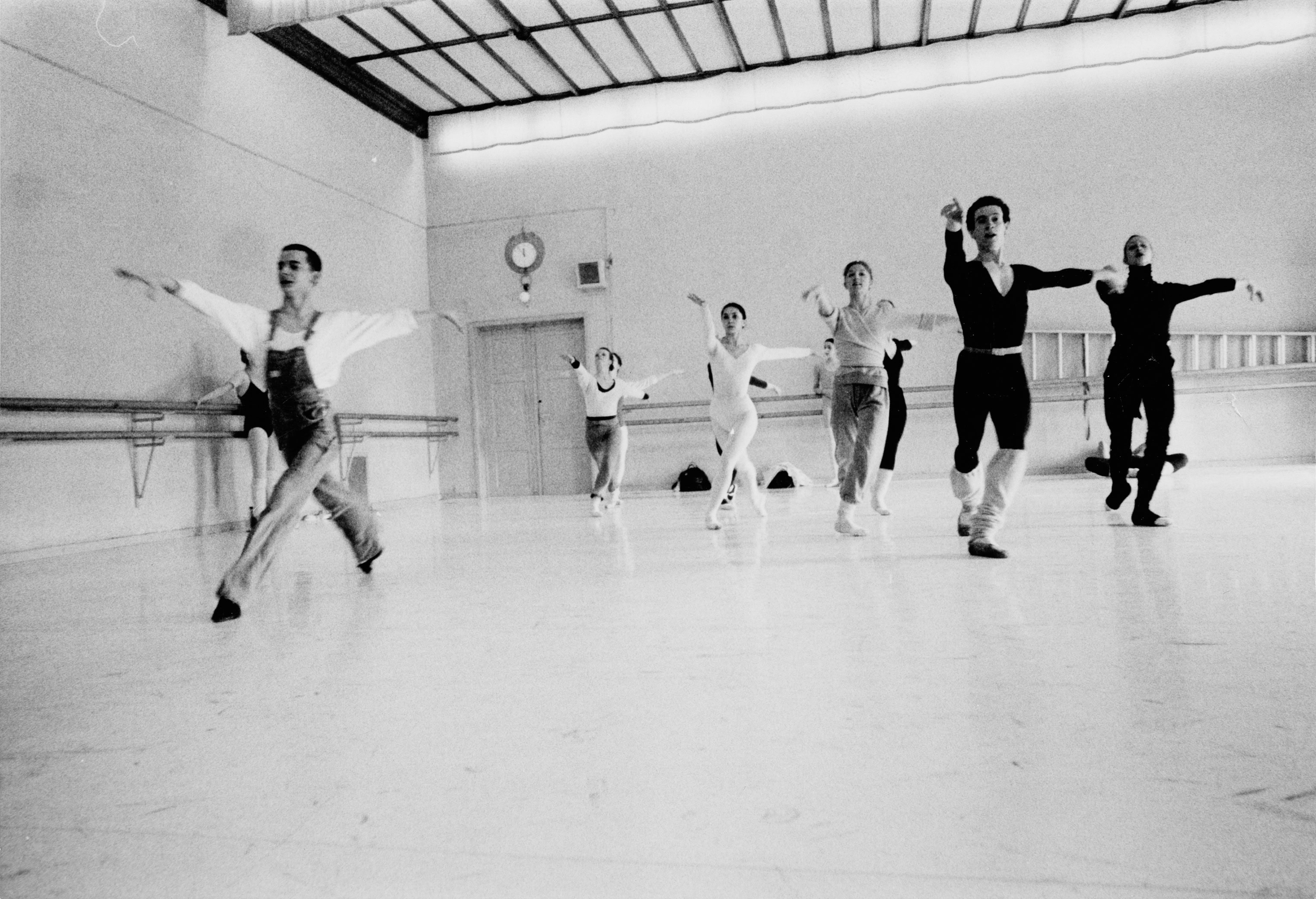
His talent was recognised at an early age. John Cranko accepted him into the John Cranko School of the Württemberg State Theatres in Stuttgart when he was 13. Following Cranko’s death, Marcia Haydée engaged Uwe Scholz as a dancer with the Stuttgart Ballet, where, at the age of just 23, he became the company’s first Resident Choreographer since John Cranko’s death. Leading choreographers such as John Neumeier, Jiří Kylián, William Forsythe, Marco Goecke and Christian Spuck, like Scholz, began their choreographic careers with the Stuttgart Ballet.
Translated with DeepL.com (free version)
Scholz was regarded as a rising star on the scene and performed all over the world.
In 1985, Scholz became the youngest ballet director and chief choreographer to take the helm of the Zurich Ballet, before moving to the Leipzig Ballet in 1991 following the fall of the Berlin Wall. There, he shaped the company into a world-class ensemble that enjoyed great success, notably with its symphonic ballet evenings.
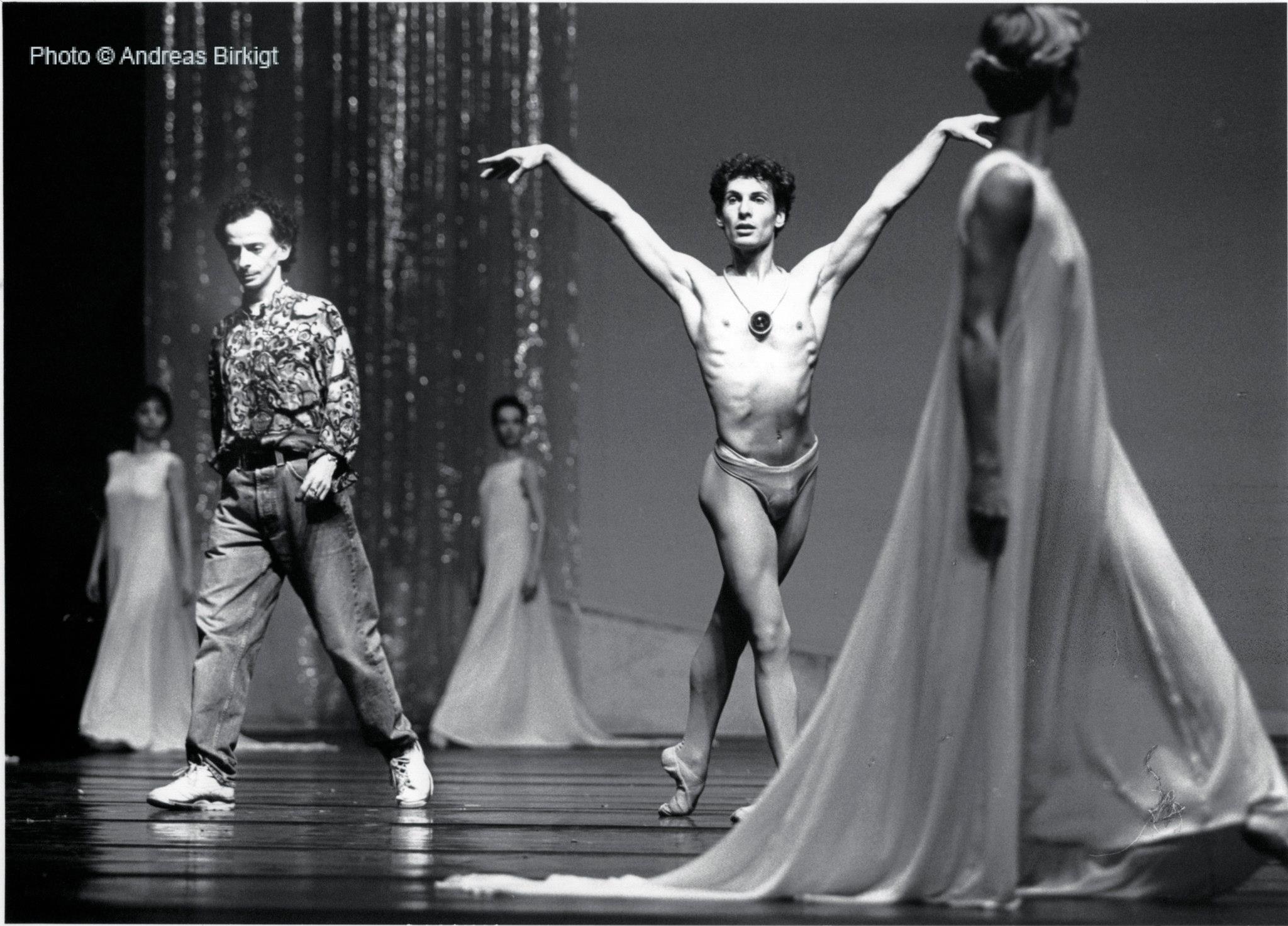
Scholz has created more than 100 works, which have been performed by some of the world’s leading companies. He has worked closely with the artist and set designer rosalie since his time in Stuttgart.
Scholz writes poetry with dance. He does not use it to record private musings and aversions. With largely classical steps, his ballets write a silent speech on the stage floor, tracing everyone's joy and pain.
(Klaus Geitel)
Uwe Scholz's choreographies inspire and move audiences around the world. His pieces continue to be regarded by leading international companies as state of the art in neoclassical ballet technique.
They are always born out of music, usually both irrepressibly fast and virtuosic as well as emotional, subtle, and soulful.
Uwe Scholz has always understood the spirit and emotional facets of a musical composition and made them visible in his own personal way.
Even when Scholz's subtle humor comes into play and the weight of meaning is reduced to nothing with a wink...
As a choreographer, Uwe Scholz was in demand worldwide and created ballets for the Vienna State Opera, La Scala in Milan, the Stuttgart Ballet, Les Ballets de Monte Carlo, Jiri Kylián's Nederlands Dans Theater, Jerusalem, Stockholm and Toronto, among others. Scholz's choreographic signature has made a name for itself on many international stages (including New York, Paris, Moscow, Rio de Janeiro, Madrid, Rome, Florence, Tokyo, Berlin and Munich).
For his achievements as a choreographer, Uwe Scholz was awarded the »Ommagio Alla Danza« prize by the »Espressione Europa« organization in Venice in 1987 and was awarded the Cross of Merit of the Federal Republic of Germany by the then Federal President Roman Herzog in 1996. For his choreography »Die Große Messe« (The Great Mass), which he premiered with the Leipzig Ballet in February 1998, he received the Bavarian State Government's Theater Prize for Dance in 1998. He was awarded the German Dance Prize in Essen in 1999.
The Leipzig Ballet, whose origins date back to the late 17th century, is now one of the major international companies.
A new era began for the Leipzig Ballet in 1991 with the appointment of Uwe Scholz as ballet director and chief choreographer. His first premiere in Leipzig, »The Creation,« was followed by symphonic ballets such as »The Great Mass,« »Seventh Symphony,« and »Bruckner 8,« which were performed on guest appearances throughout Europe and Asia.
Under Uwe Scholz, the Leipzig Ballet was invited to tour throughout Germany, France, Spain, Portugal, Denmark, Austria, Luxembourg, Poland, and the Netherlands. In 1995, it traveled to San Francisco as Germany's cultural ambassador to mark the 50th anniversary of the end of the war, and in the same year accompanied Federal President Roman Herzog on a state visit to Bern.
Uwe Scholz spent the longest and most productive period of his career in Leipzig.
His Leipzig productions were created in close collaboration with the Gewandhaus Orchestra.
He worked in this city until his untimely death in 2004, and his life's work is inextricably linked to the city of Leipzig.
What generally distinguishes Scholzen's choreographies is their almost unheard-of musicality. Step by step, the music that accompanies his works almost inevitably seems to articulate itself in the same way and no differently than it does. While it is generally hoped that the choreography would, in the best case, mirror the music, faithfully and dutifully translating it into the visual, in Scholz's case, through an unparalleled artistic tour de force, the stage reflects the music as a sounding symphonic image.
(Klaus Geitel on the occasion of the presentation of the German Dance Award 1999 to Uwe Scholz)






List of works (selection)
For the complete catalog of works by Uwe Scholz or further information about the ballets, please contact us at mail@uwescholz.dance!
“America”
Gershwin, Glass, Ives, Varèse, Zorn, etc., 1 hour 35 minutes
Brandenburg Concerto No. 3
Bach, 15m
Bruckner 8
Bruckner, 100m
Bruckner 8, Adagio
Bruckner, 32m
Dans la marche
Udo Zimmermann
The Firebird
Stravinsky, 35m
The Miraculous Mandarin
Béla Bartók, 37m
The Great Mass
Mozart and others, 2h 10m
The Creation
Haydn, 1 hour 35 minutes
A Thousand Greetings
Schumann, 48 m